oral cancer symptoms white and red patches
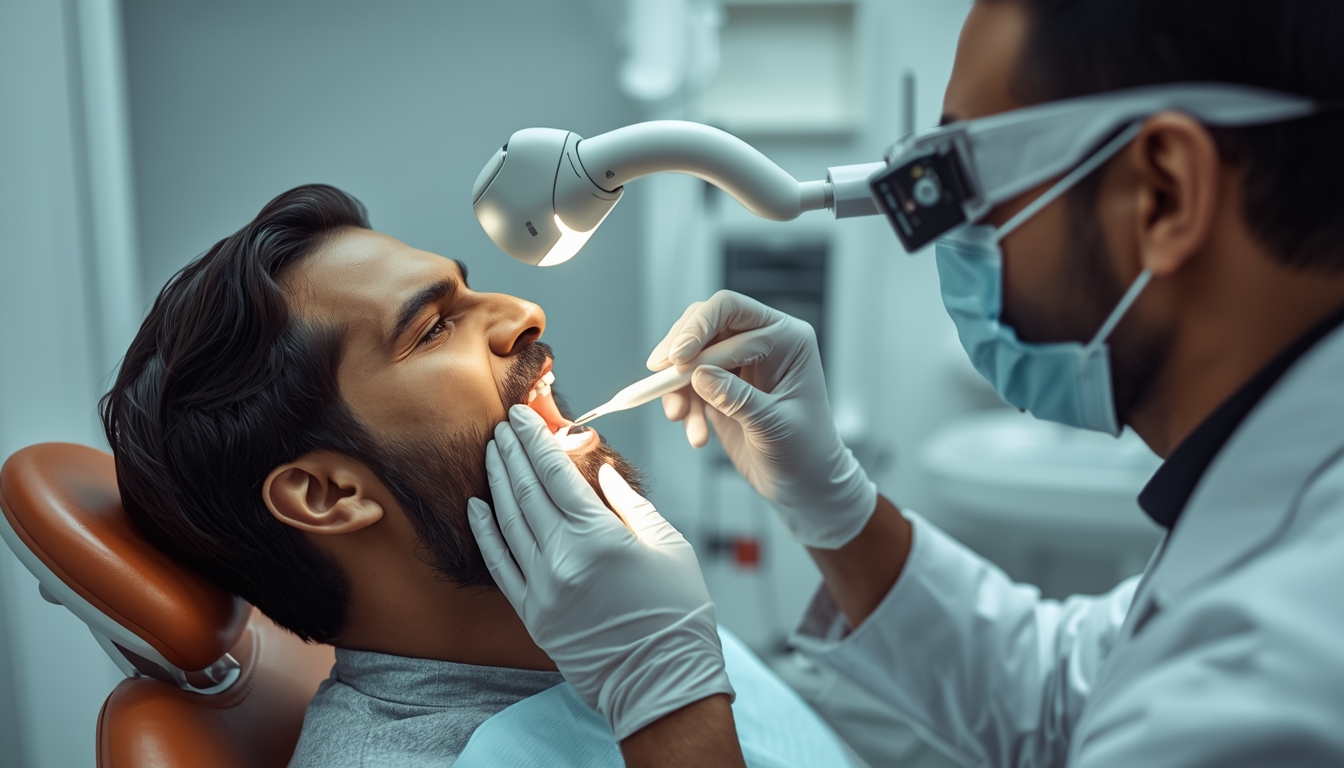
Oral Cancer Screening: Early Warning Signs You Should Never Ignore
Oral cancer is also one of the most common but ignored type of cancer particularly in India. Although it is very preventable and can be treated in case it is detected early, a great number of cases are diagnosed at a later stage. The reason? The early symptoms are usually non-painful, mild and simple to disregard.
Regular oral cancer screening is very essential as it is life saving when detected at an early stage. The knowledge of the symptoms, risk factors, and the significance of early screening enables individuals to gain control of their oral and general health.
What Is Oral Cancer?
Oral cancer can be defined as cancer of the mouth or oral cavity. It may touch the lips, tongue, cheeks, gums, floor of the mouth, roof of the mouth and even on the throat. Oral cancer in its early stages can present itself as an innocent sore or patch but as it progresses, it may increase in size, multiply and pose a threat to life.
Tobacco use, chewing of betel nut and consumption of alcohol mostly together with poor oral hygiene contribute to high incidence of oral cancer in India.
The importance of Early Detection.
Tumors of the mouth are more likely to be cured in their early stages. Treatment at the initial stages is less invasive, recovery takes less time and life quality is maintained. Regrettably, most patients take medical assistance only at the time, when they experience pain, bleeding, or cannot speak and swallow, which is a sign of advanced disease in most cases.
That is why regular oral cancer screening, when no symptoms can be noticed, is highly encouraged, particularly in terms of high-risk people.
The Red Flags You Can’t Die Without.
Oral cancer can always begin with slight alteration. It can be quite important to pay attention to such initial signs:
1. Persistent Mouth Sores
The mouth sore should never be neglected when it fails to heal in a period of two weeks. Cancerous sores do not necessarily cause pain in the initial stages as compared to common ulcers but can only be sustained or deteriorate.
2. Red or White Patches
The most frequent oral cancer early signs include unusual white (leukoplakia), red (erythroplakia) or mixed red-and-white spots within the mouth. Such patches are most of the times painless yet may be precancerous.
3. Lumps or Thickened Areas
The presence of a lump, swelling or thickened tissue in the area of the mouth, cheek, jaw or neck ought to be examined. These alterations are hard or rough to feel.
4. Swallowing Problems or Problems with Chewing.
Should the feeling of discomfort or pain, or the feeling that the food is lodged during the process of chewing or swallowing, persist, it may indicate the involvement of deeper tissue.
5. Anesthesia or Bloodlessness of No Known Reason.
The early symptoms of nerve involvement include bleeding in the mouth with no apparent cause, or a numbness in the lips, tongue or chin.
6. Changes in Speech or Voice
The hoarseness of the voice, slurred speech, or difficulty with speaking or moving the tongue or jaw could be the symptoms of some underlying issue that has to be addressed urgently.
7. Free Periodontal Disease without dental etiology.
The loss of teeth without gum disease or trauma can be linked to jaw bone or tissues cancer.
Who Is at Higher Risk?
Although any person can have oral cancer, some people are more susceptible to the condition and need frequent screening:
● Tobacco smokers (smoking or smokeless).
● Betel nut or gutka chewers
● Heavy alcohol consumers
● Those people whose oral health is poor.
● Individuals who are exposed to the sun (lip cancer) over long periods.
● Individuals whose family history is related to cancer.
● Patients aged above 40 years.
It is worth noting though, that oral cancer is emerging with an increasing proportion of younger people and non-tobacco smokers as well.
The Process of Oral Cancer Screening.
Oral cancer screening is non-invasive, painless, and fast and is conducted by certified dental or medical practitioners. It typically includes:
Mouth, lips, tongue, and throat Visual inspection.
● Examination of palpation to determine whether there are lumps or abnormal tissue.
● Application of superior diagnostic equipment and imaging where needed.
● The recent advances in diagnostic imaging methods and screening techniques can be used to identify suspicious lesions at an early stage before they can be seen with the naked eye.
Which Should Be the Frequency of Screening?
● The high-risk population: Every 6 months or more.
● General population: Every year during regular check-ups of the dentist or health care.
Periodic screening makes sure that the slightest abnormalities are noticed at an early stage.
Being Aware the Start of Prevention.
Whereas screening is crucial, prevention is also critical. You may lower your risk of oral cancer by:
● Favoring the avoidance of tobacco and betel nut.
● Restricting the use of alcohol.
● Soaking teeth in a compound with high levels of fluoride.
● Healthy dietary habits that are enriched with fruits and vegetables.
● Seeing dental experts on a regular basis.
Timely awareness and regular screening is a life-saving measure.
Act Now Before it is Too Late.
Oral cancer does not manifest itself in one day. It progresses step by step, which provides us several times to notice it at the very beginning, provided that we do not disregard indicators. Early disease and late treatment can be the difference between the simple screening and a well-developed disease.
In case of any alteration in the mouth which seems to be abnormal to you or your loved ones, do not postpone. Early diagnosis will result in improved outcomes, easier treatment and healthier future.
Cancer talks back but your mouth speaks. Listen carefully.

Leave A Comment