Professional dental scaling to remove plaque and tartar
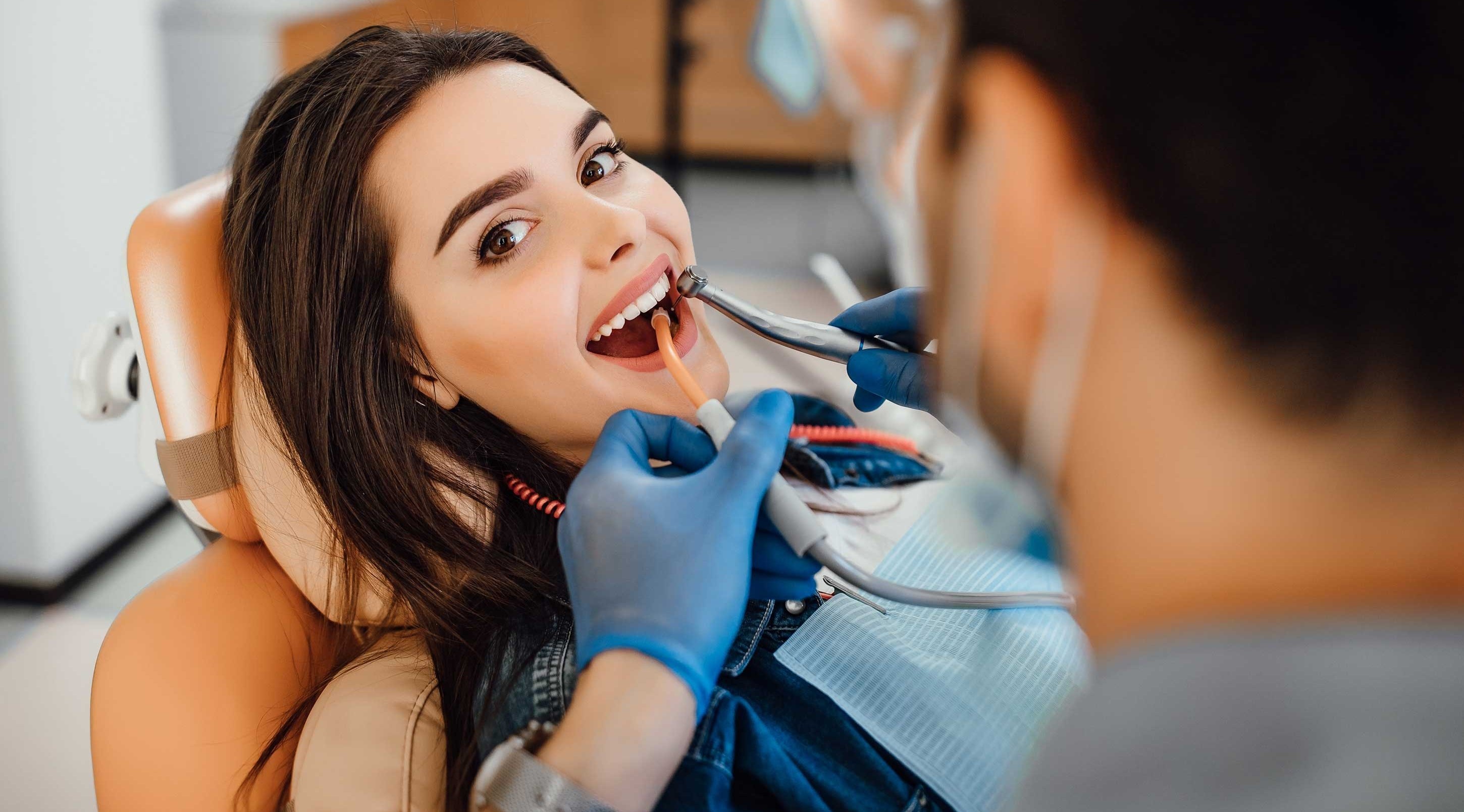
Tooth Cleaning and Scaling: Why Professional Dental Cleaning Is Important
Good oral health is not only brushing and flossing at home. Regardless of the daily care, plaque and tartar may accumulate in those parts that are difficult to access, causing gum disease, tooth decay, bad breath and others. It is there that professional tooth cleaning and scaling come in which is a vital item in lifelong oral health. In INDRM Dental Clinic, we focus on dental cleaning as a source of general health.
This blog discusses the concept of tooth cleaning and scaling, the importance of this process, how it is performed, and the frequency of its performance. Dental care enthusiasts or any person willing to enhance his/her smile will find this guide helpful as it will help them understand why the dental cleaning by a professional is important.
What Is Tooth Cleaning and Scaling?
Scaling and tooth cleaning are a professional dental treatment that is carried out by a dentist or a dental hygienist to remove plaque, tartar (calculus) and the stains in the teeth. These terms are frequently interchangeable, although with this slight difference:
Tooth Cleaning (Prophylaxis): This is a general cleaning which removes plaque and tartar on the surface of the teeth above the gumline. It is also used to polish the teeth to have a brighter smile.
Scaling: This is a procedure that involves a more thorough cleaning technique on top and below the gumline to remove hardened tartar particularly on patients with early gum disease (gingivitis) or periodontitis
Both these are painless procedures that are essential in avoiding dental issues.
The importance of Professional Tooth Cleaning.
1. Steps Away Plaque and Tartar Inaccessible at home.
Regardless of the effectiveness of brushing and flossing, every day the teeth accumulate the plaque which is a sticky layer of bacteria. This plaque becomes hardened over time forming tartar that cannot be eliminated through normal brushing.
Special tools are used in professional cleaning to remove such deposits to prevent the deterioration of your teeth and gum diseases.
2. Helps to prevent Gum Disease (Gingivitis and Periodontitis)
The accumulation of plaque and tartar causes discomfort to gum tissues resulting in inflammation of the gums (gingivitis) which is the initial phase of gum disease. Without treatment, it may progress to periodontitis with a resultant recession of the gums, loss of bone and even loss of teeth.
Professional scaling assists in the prevention of this process by removing bacteria under the gumline a region that could not have been removed with home brushing alone.
3. Freshens Breath ( gets rid of bad breath)
Bacteria flourishing in plaque and tartar may cause the chronic bad breath (halitosis). Whereas mouthwash may temporarily cover the smells, only dental cleaning eliminates the problem cause which is the accumulation being the home of odor-causing bacteria.
4. Helps Prevent Tooth Decay
Plaque has acids that are harmful which attack enamel of the teeth resulting in cavities. Professional cleaning with the help of significant plaque and tartar removal reduces the risk of new cavities formation and keeps your teeth healthy and robust.
5. Promotes Overall Health
Studies indicate that there is a close relationship between oral health and systemic health. Lack of good oral hygiene and gum disease are linked to higher rates of heart diseases, diabetic complications, respiratory infections and even pregnant complications.
Routine dental cleaning aids in the management of gums and oral bacteria - which can have a beneficial effect on your general well-being.
6. Prevention of Dental Problems at an Early Age.
Your dentist also:
● Inspections of the initial signs of decay.
● Investigates gums in order to identify disease.
● Screens for oral cancer
● Assesses dental restoration (crowns, fillings, etc.).
● Early diagnosis usually implies less invasive and less complex treatment.
Expectations of Tooth Cleaning and Scaling.
Professional cleaning is non-invasive, harmless, and it usually takes a period between 30 and 60 minutes. Here’s what usually happens:
1. Dental Examination
The first thing that your dentist or hygienist will do is to examine your oral health, which will involve checking whether you have gum inflammation, cavities, or problems with the existing restorations.
2. Scaling
Clinician removes plaque and tartar (teeth and gumline) using special instruments (manual tools or an ultrasonic scaler). In case there is tartar under the gumline, more extreme scaling can be done.
3. Polishing
The teeth are then polished after the scaling by using a gritty paste that cleans the teeth and leaves the tooth surface smooth and clean.
4. Flossing & Fluoride (Optional)
Finally flossing will clean loosened debris between the teeth. There are instances where fluoride treatment would be suggested to reinforce the enamel and offer them more protection against decay.
Does Scaling Hurt?
People fear that cleaning and scaling of teeth is to be painful process - however, the modern practice in dentistry makes the procedure painless. Although it might be a little stressful or a little sensitive, the process should not be painful. In case of patients having sensitive teeth or having advanced gum disease, your dentist might apply a local anesthetic to make the procedure comfortable.
Cleaning Frequency of Professional Cleaners?
The majority of dental practitioners prescribe a professional cleaning of the teeth after every 6 months. The needs of individuals however differ depending on:
● Genetics
● Oral hygiene habits
● Smoking
● Gum disease history
● Health disorders like diabetes.
Hints on Caring for Clean teeth between Visits.
Optimal use of professional cleaning should include the following steps of home care:
● Brush at least twice a day
● Apply soft-bristled toothbrush and toothpaste (fluoride)
● Floss dail
● Use an antiseptic mouthwash
● Eschew acidic and sweetened foods.
● Drink plenty of wate
● Do not smoke or take tobacco products.
Select INDRM to Expert Dental Care.
In INDRM Dental Clinic, we are of the opinion that prevention is better than cure. We have a trained dental staff members who clean and scale your tooth with the most up-to-date methods that will make you feel at ease and undergo a treatment that will be effective.
Be it that you are in need of a normal checkup or you have early signs of gum disease; our clinic provides customized services that contribute to oral health in the long term.
In conclusion, it can be stated that Professional Dental Cleaning Is Not Optional, It is necessary.
Scaling and polishing of teeth form some of the essential parts of preventive dental care. They cleanse teeth, stop periodontal disease, clean teeth, clean breath, counter-check dental problems at an early stage, and help maintain overall health, all of which cannot be accomplished through brushing and flossing.
Yet, when you had not seen your dentist recently (within the past 6 months), it is high time to do that, as the key to a good smile is in a dentist.

Leave A Comment